

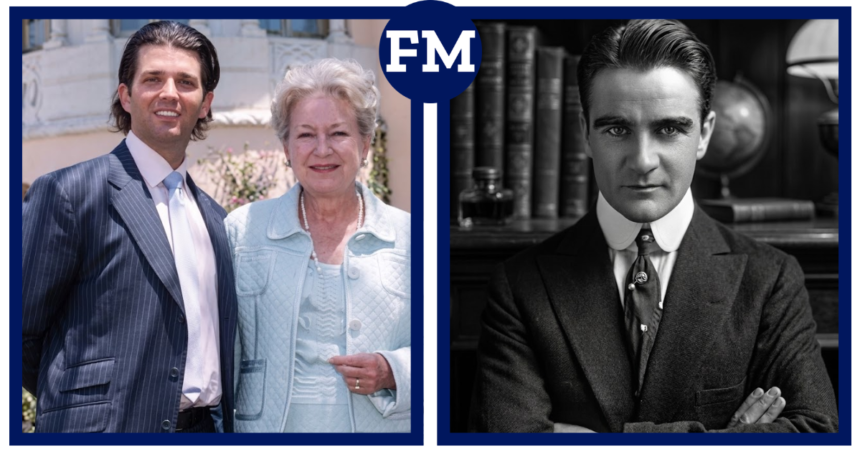
David William Desmond was an American psychologist and brain researcher whose groundbreaking work on stroke patients shaped modern understanding of vascular dementia, yet he deliberately stayed away from public attention. He served as the principal investigator of the Stroke and Aging Research Project, a comprehensive study examining cognitive outcomes in hospitalized stroke patients. His research portfolio included 57 publications with more than 7,020 citations, influencing how doctors approach post-stroke cognitive decline. Later in life, Desmond transitioned from clinical psychology to writing, authoring award-winning humor novels. Details about david william desmond wife, david william desmond age, and david william desmond net worth reveal a man who valued privacy while building two successful careers in vastly different fields.
The Early Years: Education and Career Path
Growing Up and Academic Foundation
Born in New York City, Desmond attended the Kew-Forest School in Forest Hills, New York. This private institution provided his foundational education before he pursued higher studies. The school years shaped his early intellectual curiosity, setting the stage for a career path that would eventually lead him deep into neurological research. His family background remained largely private, a pattern that would define his entire professional life.
University of Chicago and Fordham University
Desmond received his A.B. in Behavioral Sciences from the University of Chicago in 1982. This field focused on understanding human behavior, cognition, and decision-making processes. The University of Chicago’s rigorous program gave him analytical tools to examine how people think, feel, and act. The behavioral sciences curriculum combined psychology, sociology, and biology, offering a comprehensive view of human conduct.
Eight years later, he completed his Ph.D. in Clinical Psychology from Fordham University in 1990. The doctoral program at Fordham University in the Bronx required extensive coursework, clinical training, and original research. A Ph.D. in clinical psychology typically demands four to seven years of intensive study, including supervised clinical hours and dissertation work. Desmond’s choice to specialize in clinical psychology rather than experimental or social psychology indicated his interest in direct patient care and therapeutic interventions. This advanced degree positioned him at the intersection of scientific research and practical medical application.
Training at Columbia’s Neurological Institute
Desmond completed a fellowship in stroke and dementia under Thomas K. Tatemichi, M.D. at the Neurological Institute of New York of the Columbia University College of Physicians and Surgeons. This specialized training proved instrumental in shaping his research focus. Working under Tatemichi’s guidance, he gained expertise in how strokes affect cognitive function, memory, and long-term brain health.
At the time of his second marriage in 1992, he worked as a clinical psychologist at the Neurological Institute at Columbia-Presbyterian Medical Center in New York. The Neurological Institute represented one of America’s premier centers for brain research and treatment. This position allowed him to combine clinical work with research initiatives, treating patients while simultaneously studying broader patterns in stroke outcomes and cognitive decline.
Professional Life as a Neuropsychologist and Researcher
Leading the Stroke and Aging Research Project
Following Thomas K. Tatemichi’s death, Desmond assumed the role of principal investigator for the Stroke and Aging Research Project. This initiative became the largest prospective study tracking cognitive outcomes in hospitalized stroke patients at that time. The project examined how strokes affect mental function, memory retention, and long-term brain health in hundreds of patients. Staff members assisted with extensive data collection across multiple years. Desmond balanced this research leadership with his clinical duties at Columbia-Presbyterian Medical Center’s Neurological Institute, treating patients while simultaneously analyzing broader patterns in stroke outcomes.
Published Research and Impact on Medical Field
Desmond’s research portfolio included 57 publications that accumulated more than 7,020 citations. His work appeared in major neurology journals including Stroke and Neurology. The research covered dementia incidence after ischemic stroke, CADASIL (a hereditary condition causing strokes and dementia), post-stroke depression, vascular cognitive impairment, and white matter lesions. This combination of clinical practice and research gave his findings grounding in real patient experiences rather than purely laboratory observations.
Key Findings on Post-Stroke Dementia
The data revealed specific risk factors that amplified dementia probability after ischemic stroke. Older age, diabetes, stroke severity, and prior cerebrovascular events increased cognitive decline risk. Stroke patients showed markedly higher dementia rates compared to control groups. Desmond’s team found that dementia served not only as a stroke consequence but also as a predictor of reduced survival, with mortality rates reaching 15.90 deaths per 100 person-years among demented patients versus 5.37 among non-demented patients.
Recognition in the Scientific Community
The Stroke and Aging Research Project established methodological standards that influenced subsequent cerebrovascular dementia research for decades. Desmond held affiliations with institutions including SUNY Downstate Health Sciences University, and his work gained significant traction by the early 2000s. His legacy within neuropsychology remains cited in contemporary research on cognitive function after stroke.
Personal Life: Marriage, Family, and David William Desmond Wife
First Marriage to Maryanne Trump Barry
Desmond married Maryanne Trump Barry on October 10, 1959, in Queens, New York City. She was the eldest daughter of Fred Trump, a real estate businessman, and sister of Donald Trump. Their marriage brought him into one of America’s most prominent families. During this time, Maryanne built her legal career that would eventually lead to her appointment as a federal judge. The couple lived a calm, private life while she worked in law and he pursued psychology.
Divorce and Moving Forward
The marriage lasted approximately 20 years before ending in divorce in 1980. The separation remained peaceful and friendly, without public conflict or media drama. After the divorce, Maryanne continued her legal work, and Desmond continued his medical and research path. He chose to protect his own peace and stay focused on science, writing, and family rather than leverage her fame.
Second Marriage to Lisa Renee Aitken
Desmond became engaged to Lisa Renee Aitken in 1992. Lisa was the daughter of Frank E. Aitken, a retired Exxon senior executive. She had graduated from Southern Methodist University and received an M.B.A. from New York University. At the time of their engagement, she worked as an executive assistant at Wasserstein Perella & Company, a New York investment firm. The couple married on July 18, 1992, at St. Thomas Church in New York. Reverend Gary P. Fertig performed the Episcopal ceremony.
Children: David Jr. and Robert
Desmond had two sons from his marriages. David William Desmond Jr. was born during his first marriage to Maryanne Trump Barry. Robert Desmond arrived in the mid-1990s during his second marriage to Lisa.
Living Between Palm Beach and Paris
The family maintained residences in Palm Beach, Florida, and Paris, France. This dual-city lifestyle exposed them to diverse cultures and experiences.
The Creative Turn: From Psychology to Writing
The Misadventures of Oliver Booth
In 2008, Desmond published his first novel through Greenleaf Book Group. The Misadventures of Oliver Booth: Life in the Lap of Luxury featured a protagonist dreaming of joining Palm Beach’s elite despite his arrogant personality, garish wardrobe, and incompetent management of an antique shop filled with gilded Mexican reproductions of French designs. The story followed Oliver from Palm Beach to Paris alongside Bernard Dauphin, a French waiter, and Margaret Van Buren, a wealthy society doyenne. The narrative explored wealthy layabouts, trophy wives, and arrogant interior decorators through a series of humiliating yet comical misadventures.
Oliver Booth and the Evil Socialite
The sequel arrived in 2013. Oliver Booth and the Evil Socialite transported the protagonist from Palm Beach to New York’s high-end real estate world. The second novel sharpened the social satire, examining real estate fantasies and status anxieties within elite circles.
Writing Style and Themes
Desmond drew from insider knowledge of Palm Beach and Paris. His satirical lens focused on manners, money, and social masks. The narratives balanced humor with observations about human behavior in wealthy environments.
Awards and Recognition
The first novel won USA Book News’ Best Humor Book Award. It received Next Generation Indie Book Awards for Best General Fiction/Novel and First Novel. The book became a finalist for the 2009 IBPA Benjamin Franklin Award for Humor, Comedy, and Satire. Donald Trump described it as “a hilarious tale based on his insider’s knowledge of life in Palm Beach and Paris”. Besides novels, Desmond wrote a weekly satirical column for the Palm Beach Daily News.
David William Desmond Net Worth and Lifestyle
David william desmond net worth remained undisclosed publicly. He lived comfortably through his psychology career and book success, maintaining homes in Palm Beach and Paris.
Also Read: Jeremy Rytky
Conclusion
David William Desmond built two successful careers while deliberately avoiding the spotlight. His groundbreaking stroke research influenced medical practices for decades, while his satirical novels earned critical acclaim in literary circles. Indeed, his choice to remain private despite family connections to one of America’s most famous dynasties speaks volumes about his character. He valued meaningful work over public recognition, leaving lasting contributions in both neuropsychology and literature without seeking fame.
FAQs
Q1. What educational background did David William Desmond have?
David William Desmond attended Kew-Forest School in Forest Hills, New York, before earning his A.B. in Behavioral Sciences from the University of Chicago in 1982. He later completed his Ph.D. in Clinical Psychology from Fordham University in 1990 and underwent specialized fellowship training in stroke and dementia at Columbia University’s Neurological Institute.
Q2. What was David William Desmond’s major contribution to medical research?
Desmond led the Stroke and Aging Research Project, which became the largest prospective study tracking cognitive outcomes in hospitalized stroke patients. His research identified key risk factors for post-stroke dementia, including older age, diabetes, and stroke severity, and his 57 publications accumulated over 7,020 citations, significantly influencing how doctors approach post-stroke cognitive decline.
Q3. Who was David William Desmond married to?
David William Desmond was married twice. His first marriage was to Maryanne Trump Barry, sister of Donald Trump, from 1959 to 1980. After their amicable divorce, he married Lisa Renee Aitken in 1992, an executive assistant with an M.B.A. from New York University.
Q4. Did David William Desmond have any children?
Yes, David William Desmond had two sons. David William Desmond Jr. was born during his first marriage to Maryanne Trump Barry, and Robert Desmond was born in the mid-1990s during his second marriage to Lisa Aitken.
Q5. What books did David William Desmond write?
After transitioning from psychology to writing, Desmond authored two satirical novels: “The Misadventures of Oliver Booth: Life in the Lap of Luxury” (2008) and “Oliver Booth and the Evil Socialite” (2013). His first novel won USA Book News’ Best Humor Book Award and received multiple other literary honors for its humorous portrayal of Palm Beach and Paris high society.